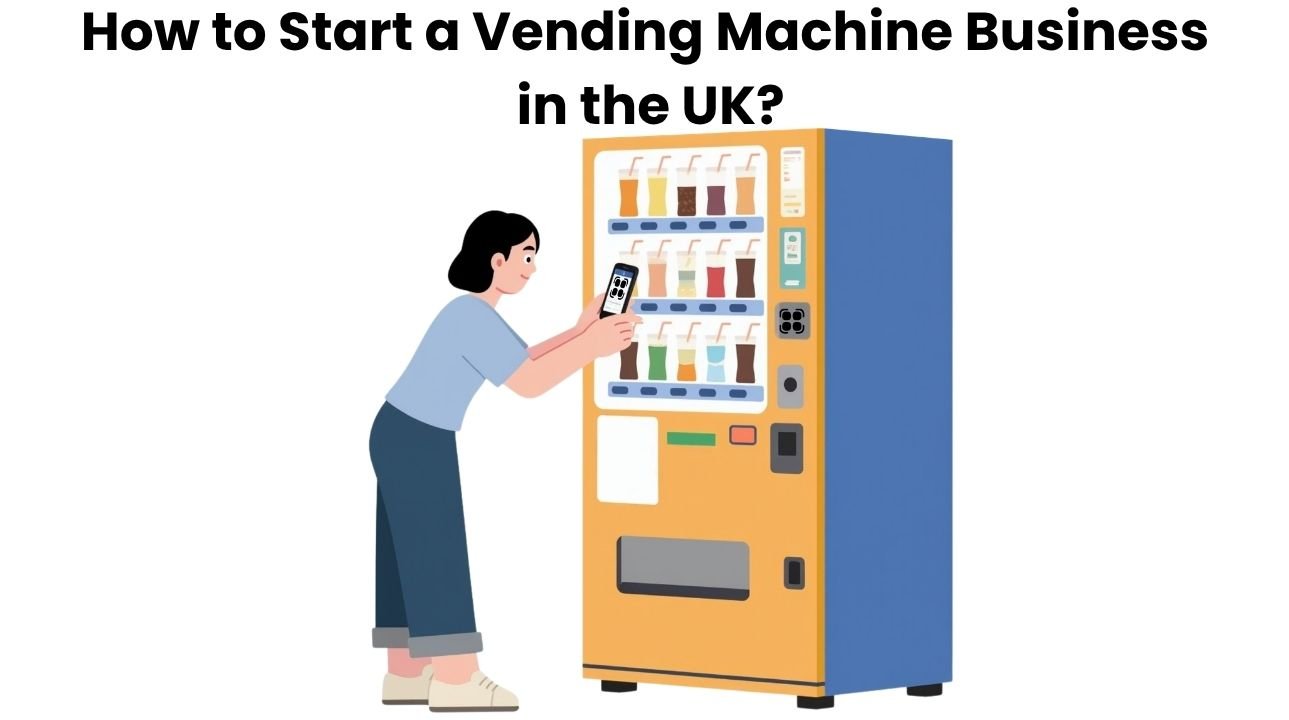
Gone are the days when a vending machine offers only savoury snacks. They have transformed into cashless devices selling almost everything from false eyelashes to milk. Vending machines are deployed at airports, railway stations, central markets and every place where a huge throng gathers.
They are like small retail units resting in an office block or a vestibule offering fresh food and books. An influx of vending machines has forced canteens to shut down. Investing in a vending machine business can turn out to be extremely propitious. Starting a side gig by running this business will undoubtedly be a good idea.
The initial cost of the business is not very high. It will be equivalent to the market price of your vending machine. Secondly, you do not need an office space to accommodate it. Additional costs include machine repairs, restocking, and money collection. The weekend side gig will quickly grow your rainy-day funds.
However, you must register within 28 days with your local business authority to start selling drinks and snacks through a vending machine. You cannot wait until the rainy-day funds grow. Here, you may contact business loan brokers for urgent retail business loans online.
Loan introducers may connect you with the lender with whom you are likely to get a quick loan. It helps you gather the documentation and licenses and start selling things without worries.
Key takeaways:
| Is a vending machine a profitable business in the UK? | Yes |
| Do you need a license to run a vending machine business? | Yes |
| What sells the most in a vending machine? | Potato chips and chocolate bars |
| Most profitable locations | Hospitals, schools, manufacturing plants, apartments |
| How much does 1 vending machine cost? | £1500-£2500(average) |
Preliminary steps for starting a vending machine business in the UK
A basic vending machine can cost you about £2000-£6000. Used machines are also an option if you have a tight budget. Their starting cost is about £800-£1500. Vending machines come in various sizes and features, and therefore the prices vary.
Be prepared to spend up to £3,500-£8,950 on a new vending machine. Prices vary by feature and size. Consider taking out a small business loan if you cannot afford to pay for it outright. Here are the steps for starting a vending machine business in the UK:
Consider your options for Vending Machine Business
Not all vending machines can offer all types of stock, from snacks to stationery. You should look at the options available to you, understand their costs and how they suit your target audience and then decide which one to choose from. Your budget will certainly be your concern, but a short-term business loan should come in handy when finances are tight.
Food and beverage vending
Food and Beverage accounts for 90-95% of vending machine business sales in 2026 in the UK. This type of vending machine can offer snacks and drinks. At first, you should try to buy a machine that provides a specific type of snack and drink until you explore about the industry.
As you become accustomed to the industry, you can set up either the same type of vending machines in multiple locations or different types of machines in one location. Before taking this big decision, you need to check how your customers are reacting to your business.
Bulk vending
Bulk vending machines offer unsorted items such as confections, stickers, rubber balls and nuts. It requires very little investment compared to food, beverage, and speciality vending. This investment is particularly ideal for schools and theme parks. The main reason for the low cost of operation is that they do not need electricity to operate.
Specialty vending
For airports and mall locations, you will need large vending machines not just limited to offering food and beverages. They should be able to deliver other items, such as tech accessories and beauty products. Some speciality vending machines offer:
- Hot beverages
- Retail merchandise like headphones, phone chargers etc
- Tobacco and cigarettes
You should carefully analyse your options before investing in a vending machine business. You will need to make a business plan.
Choose the right location
Choosing the wrong location will take a toll on your business. Think about the location where you can set up a vending machine. Choose a place where you expect large crowds. Do some research to get an idea about the location of your vending machine business? Some location suggestions include:
- Schools, colleges, and campuses
- Grocery stores and hospitals
- Gyms
- Apartment buildings
- Airports, bus stations
- Shopping malls
- Laundromats
Make sure to align your offerings to a location-driven market. For instance, a food and beverage vending machine will be suitable in a gym where it offers healthy snacks such as protein bars.
Understand the vending machine business costs
You may need approximately £20000-£40000 to start a vending machine business in the UK. It may help you purchase anywhere up to 10 machines depending on the variables. Similarly, the cost of purchasing a vending machine may vary according to the machine type. For example, a single used machine may cost £1200-£2000.
New machines with built-in contactless payment and remote stock monitoring cost £3000-£7,000 each. Additionally, ongoing costs may include restocking, site commission, and card processing fees. It may cover 25-40% of the gross business sales. Here is the cost of starting a vending machine business according to the machine type.
| Cost Item | Low-end estimate | High-end estimate |
| New Snack/drink item machine | £2,000 | £5,500–£8,000 |
| Used/refurbished machine | £800 | £2,500 |
| Card reader/cashless kit | £150 | £400 |
| Delivery and installation | £50 | £300 |
If you start with one mid-range vending machine and budget conservatively, you may expect to invest roughly £3,000–£5,000 to get fully operational.
A verified business loan broker may help you identify the costs of vending machines and guide you to the best way to finance one given multiple business loan options. You may even use a business loan calculator to determine how much a loan will cost and estimated monthly payments. It may help you get estimates without hurting your credit score.
Explore your financing options
Although a vending machine business is not as expensive as other small businesses, it still requires thousands of pounds as initial capital. You may need to explore financing options if you cannot pay the whole money upfront.
Quick business loans in the UK can be fruitful when you want to fund the gap in your savings. While borrowing money, you will have to submit a business plan to your lender. They will sign off on your application when they perceive that your business can survive.
For larger funding, you can also consider equipment financing. A large vending machine with several features will cost you a lot of money. Your machine will act as collateral against the sum of money you borrow. Bear in mind that you will lose your machine if you fall behind on repayments.
Can I get a business loan for a vending Machine?
Yes, you may get a business loan for a vending machine in the UK. Most vending machine owners use asset finance (hire purchase or lease) where the machine itself acts as security. It allows borrowing from around £1,000 up to £50,000+ with typical terms of 2–5 years and rates often in the 7–12% APR range depending on credit profile and deal size.
Unsecured business loans and start-up loans are also options. You may also check the government-backed Start Up Loan scheme, which offers £500–£25,000 at a fixed 7.5% APR for over 1–5 years. It is for businesses trading for under five years, with no collateral required. It can comfortably cover one or several machines plus initial stock.
For larger expansions or buying an existing route, secured business loans or acquisition finance from specialist SME lenders can provide £25,000 to £500,000+. You may get one usually at 7%+ APR and 3–10 year terms, but they often require personal guarantees and evidence of affordability via bank statements and projections.
Many equipment suppliers also offer in-house finance or introducer arrangements with 0–10% deposit options and monthly payments matched to the machine’s expected life, which can be simpler than approaching a bank directly.
To improve approval chances, prepare a short business plan showing target locations, expected footfall, product margins, and a realistic revenue forecast per machine, plus three to six months of business bank statements if already trading. Similarly, you may get a detailed overview of the requirements without confusion by contacting a loan broker, like BusinessFunds.
You may get detailed help with the paperwork, negotiation, and best rates given your profile and needs. Enquire now to know your chances of getting a loan.
Buying vs. Leasing the vending machine: Which is best?
Buying tends to be cheaper over the long term and gives you full control. Alternatively, leasing (or renting) reduces upfront cost and risk but usually costs more overall and limits flexibility. However, the better option depends mainly on available capital, expected machine life, location’s growth, and popularity.
Here is the basic difference between buying and leasing a vending machine:
| Parameters | Buying a vending machine | Leasing a vending machine |
| Upfront cost | High (£1,500–£7,000+ per machine) | Low or 0% deposit |
| 3-year cost | Roughly equals the purchase price only | Often 20–40% more than cash price; £2,160–£5,400+ with no ownership |
| Ownership | You own the asset immediately | Lender owns it until you clear the dues |
| Maintenance/repairs | Your responsibility | May be included in rental deals |
Conclusion:
In the UK, buying (especially via hire purchase) is usually best if you plan to run the machine for over two years and can fund the upfront cost. Alternatively, leasing/renting suits pilots, short-term sites, or operators who prefer low initial outlay and included maintenance.
Stock the machine with inventory
The quantity of inventory you will buy depends on the demand in that particular area. Do not overbuy the stuff, as you cannot be certain about the sales you make despite extensive research. The demand keeps varying from day to day.
Pay heed to the specific need – for instance, there could be more demand for healthy drinks than snacks. Make sure that you do not go undersupply when the demand is high.
Set the right prices
It can be difficult to set the right price for what you offer. Your prices should be competitive as your ultimate goal is to attract them. However, it does not mean that you will compromise on your profits. You will need to do extensive research to know the prices your competitors charge. Make sure you do not charge more than them, but there are other factors to take into account.
- Calculate the estimated profit by using the lowest possible estimated figures of sales (you can find these details through research).
- See if you are able to cover the cost of your business if your sales do not pick up.
- Are you making profits despite low sales figures?
Choosing the right pricing strategy is crucial to make your vending machine business successful.
Be professional
Even if you can treat it as a side gig, you should try to behave professionally.
- You should keep stocking the inventory before the machine goes out of stock.
- Get it repaired regularly.
- Keep it clean.
- Involve your customers to know what they expect of you. Get feedback from them.
The final word
Opening a small vending machine business requires little investment. It is easy to scale. You can set up more vending machines in the same or different locations. Maintenance cost is quite low. You do not need to hire staff or office space.
This business requires a time commitment. You will have to take some time out to stock inventory and collect money on a regular basis. There is always a risk of theft and vandalism. Make sure to set up your machine in a safe place.
Consider all available financing options if you are looking to borrow money to buy your machine. Understand how much they will cost you, and then choose the most affordable loan.
FAQs
- Can I finance vending machines?
Yes, you can finance vending machines in the UK by choosing the appropriate option. Generally, asset finance, secured business loans, and retail busines loans are the best options to finance vending machines.
- How much can a vending machine make?
A typical snack/drink vending machine in a decent UK location makes about £150–£400 net profit per month (roughly £1,800–£4,800 per year), with gross sales often in the £400–£1,200 per month range depending on footfall, product mix, and commission.
- What costs should I consider before starting a vending machine business?
You must consider machine purchase cost, delivery cost, installation fee, site commission, card processing fee, insurance, electricity consumption, license costs, maintenance and transportation costs before starting a vending machine business.
- How do I legally register my vending machine business?
Set up a business structure (sole trader or limited company. Next, register as a food business with the local authority where your stock is stored/prepared at least 28 days before your first sale. You register once per premises via the GOV.UK food business registration service.
- How much profit can one vending machine make?
A typical snack/drink vending machine in a decent UK location generates roughly £150–£400 net profit per month. This is after product costs, commission, card fees and other expenses. However, results may vary widely by footfall and product mix.

Gary Weaver is a Senior Content Writer with having an experience of more than 8 years. He has the expertise in covering various aspects of business market in the UK, especially of the lending firms. As being the senior member, he contributes a lot while working at TheBusinessFunds, a reputed business loan broker.
Gary performs the major role of guiding loan aspirants according to their financing needs and also to write research based blogs for the company’s website. Previously, he has worked with many reputed business firms and therefore, he knows every nook and cranny of business financing market of the country. Gary is a post-graduate with having a degree of Masters in English language. He has also done post-graduate diploma in Business and Finance.