
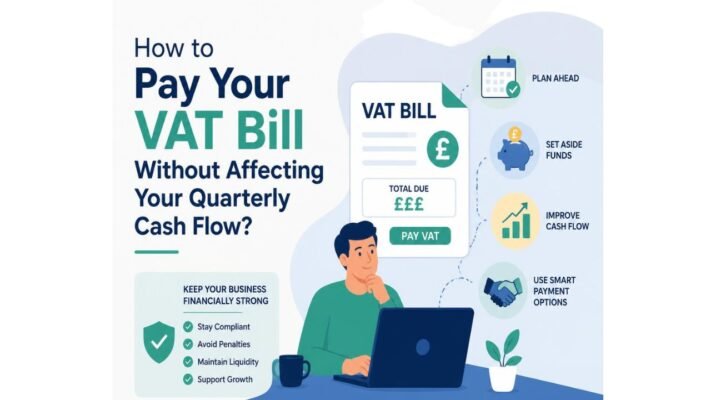
How to Pay Your VAT Bill Without Affecting Your Quarterly Cash Flow?
For small-to-medium-sized enterprises, paying quarterly VAT (Value Added Tax) is non-negotiable. Otherwise, bills becoming due can place significant pressure on working capital. However, facing this VAT bill payment deadline every three months can be stressful, especially when payments from customers get delayed.
Even established businesses can go through these temporary challenges in managing cash flow. This can disrupt the process of quarterly VAT payments. If you do not want your working capital to deplete because of these bills, you must devise a structured financial roadmap.
This is achievable with careful planning and a strong cash flow management system. However, if you do not have the required structured setup in place, getting business VAT loans in the UK can help for the time being. This may provide you with the time buffer needed to start working on creating that setup.
A careful approach is required, as you will be taking out a loan. This involves a repayment commitment, which can increase the financial burden on your business. However, you must weigh your options carefully and compare rates.
While these loans are helping you manage one of the quarterly payments, follow some actionable ways to ensure VAT payments are made on time without disrupting the cash flow.
Practical strategies to pay VAT bill without putting strain on business finances
Businesses collecting VAT from their customers should not be keeping that with them. This is supposed to be paid to HM Revenue and Customs (HMRC). Now, when the payment from customers is lying there as working capital, businesses might end up utilising it to keep up with daily operations.
This is where a funding gap gets created. Besides, there are other reasons contributing to the financial struggles when it is time for VAT payments.
- Revenue fluctuating because of seasonal demands
- Sudden expenses arising in the business, which cannot be avoided
- Cost of operations is increasing because of other reasons
- Customers delaying their payments
- Business growing faster while requiring higher working capital
Ways to tackle quarterly VAT bill pay without hurting the business cash flow are:
- Keep the amount required for the quarterly VAT bill aside
From the start of the year, set VAT payments aside from your operating funds for the upcoming quarter. This way, the money will remain untouched, and payments can be made on time.
You can keep funds safe from unintentional spending. Besides, this helps in better budgeting and reducing financial stress largely.
- Get ready with a correct cash flow forecast
Forecasting helps you to get an idea about upcoming financial commitments, including VAT liabilities. Therefore, this helps in preparing for the fulfilment of the responsibility. Moreover, this prevents missing payments because of forgetfulness.
A good forecast will alert you to follow up on certain things like customer receipts, supplier payments, cost of payroll, etc. When your business focuses on regular forecasting, it is capable of spotting potential cash shortfalls and preparing for timely payment of VAT bills.
- Lower unnecessary business spending
When you have to make sure about timely payment of VAT bills without disturbing the cash flow, you must keep a tab on the various expenses. There might be areas where you can cut costs and save money.
There might be unnecessary utility costs that can be lowered. At times, high-end marketing campaigns need not have to be run to promote your business. Some marketing activities might not get you the expected returns, which you must check and eliminate from the process.
- Build a reserve for VAT
If you do not want to rely on payments received from customers to pay quarterly VAT bills, you must start working on creating a VAT reserve. It is like saving a small amount of money for this purpose.
The VAT payments you receive weekly can be accumulated in a separate account. This helps in keeping the money separate and safe from unintended expenses.
The bottom line
While running a business, you may have to deal with temporary cash flow challenges at various points. These issues, when left unattended, can disrupt the quarterly payment of VAT bills. To prevent such occurrences, you can consider getting working capital loans meant for small businesses.
Those day-to-day operations need not have to come to a halt because of cash shortage. Most importantly, you do not have to reach out for the cash reserved for these payments. Effective strategies and the right decision at the right time can help you keep a balance between various financial responsibilities meant for your business.
FAQs
What is VAT finance?
This is a type of business funding that is meant to help enterprises pay VAT bills upfront. This prevents exceeding the deadline, while letting you repay loans in the form of affordable monthly payments.
Is negotiation with HMRC possible if I can’t pay the VAT bill?
In some situations, HMRC may be willing to discuss a new payment agreement. However, it will depend on whether you have approached them before missing the payment deadline.
Will it help if I keep VAT money in a separate account?
Yes, that can be extremely helpful, as this ensures that you have the necessary amount available for timely payment of the quarterly VAT bill. This will also prevent accidental spending of the money meant for that purpose.
How can I improve my cash flow before VAT payment is due?
Focus on areas like how you can get timely payment from customers, downsize unnecessary expenses inside the business, forecast finances correctly, etc., so that you can separate the amount needed for quarterly VAT payment.
Can a business finance broker help with VAT funding?
Yes, to be able to identify the right financial product offered at affordable rates, research and comparison are two crucial steps. Now, if your business needs expert assistance, a business finance broker is the right person. They can guide you throughout the borrowing process and help find the right lender from their wide network.
Is using a finance to manage VAT payments always justified?
Not always; financing can help if you have to deal with temporary cash problems. However, businesses should not forget that borrowed money needs to be repaid within a specified duration. Therefore, making sure that repayments can be covered in a timely manner is crucial, apart from validating the total cost of borrowing.

Lee Copper is an experienced financial content specialist helping businesses explore the UK loan market. He writes guides led by experts on business loans and finance products. His work follows strict editorial values to ensure reality, applicability, and simplicity for readers to make well-versed financial decisions. Lee creates in-depth guides backed up by research, industry best practices, and the latest market developments.


